Indoor air quality has a direct impact on health, comfort, and daily well-being, especially as people spend more time inside homes and offices. Dust, allergens, pet dander, mold spores, and airborne pollutants can circulate through HVAC systems, affecting respiratory health and energy efficiency. Regular HVAC cleaning helps create a fresher indoor environment while supporting system performance and home comfort.
Many homeowners invest in air quality services because heating and cooling systems continuously move air throughout living spaces. Over time, dust and contaminants can collect in ductwork, vents, filters, and coils. Without proper cleaning, these particles may recirculate, contributing to allergies, poor airflow, and rising utility bills. Professional HVAC cleaning helps improve indoor breathing conditions while protecting system reliability.
Why HVAC Cleaning Matters for Indoor Health
Your HVAC system acts as the lungs of your home, moving heated or cooled air from room to room. When components become dirty, the system may spread contaminants instead of filtering them effectively. This can worsen indoor allergies, trigger asthma symptoms, and reduce overall air freshness for everyone inside.
Common Indoor Pollutants Found in HVAC Systems
Dust buildup is one of the most frequent concerns, but HVAC systems may also contain pollen, bacteria, mold spores, pet dander, and debris. Dirty systems can contribute to stale odors and poor indoor air circulation. Cleaning key components helps reduce these pollutants and supports healthier breathing indoors.
Routine air quality services can be especially helpful for households with children, seniors, or individuals with allergies. Cleaner ductwork and filters often reduce airborne irritants while supporting balanced humidity and better airflow. This creates a more comfortable environment and can help reduce respiratory discomfort over time.
How HVAC Cleaning Supports Energy Efficiency
Dirty HVAC systems often work harder to maintain desired temperatures. Dust-covered coils, clogged filters, and blocked vents can force equipment to use more energy, increasing utility costs while reducing heating and cooling effectiveness. Cleaning helps restore smoother airflow and better operational efficiency.
Performance Benefits of Clean HVAC Systems
When airflow improves, heating and cooling systems can distribute air more evenly throughout the home. This often means fewer hot or cold spots, faster temperature control, and less strain on components. Professional air quality services also help identify maintenance issues before they become expensive repairs.
Key HVAC Cleaning Benefits:
- Improved indoor air quality
- Reduced allergens and dust
- Better airflow throughout the home
- Lower energy consumption
- Extended HVAC system lifespan
- Improved home comfort
- Reduced unpleasant odors
These benefits support healthier living while helping homeowners save money.
Essential HVAC Components That Need Cleaning
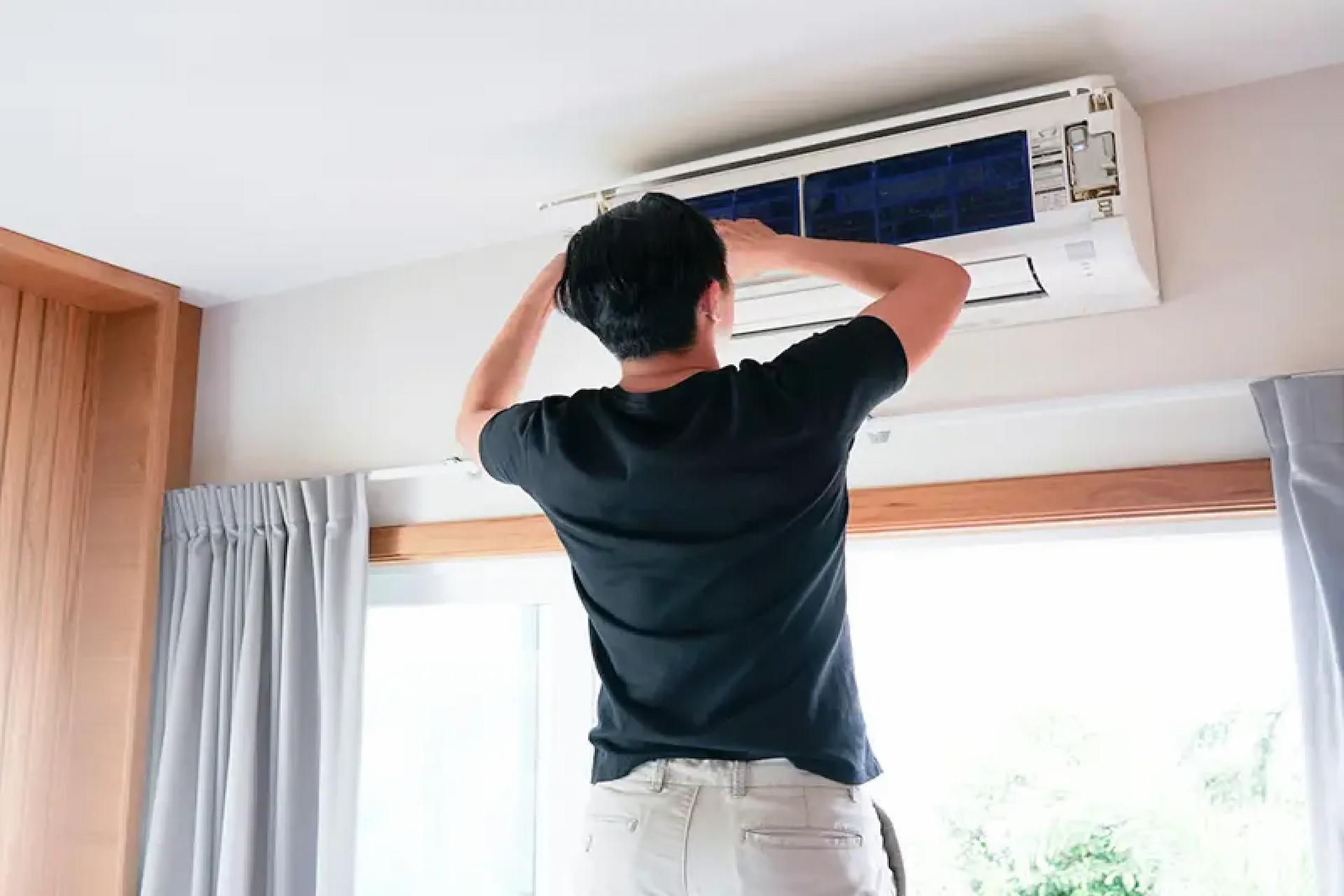
A complete HVAC cleaning involves more than changing an air filter. Several components affect both air quality and system performance, and each should be evaluated regularly for buildup or contamination.
Areas Commonly Cleaned During HVAC Service
Air ducts often collect dust and debris over time, while evaporator coils may gather moisture and dirt that reduce cooling efficiency. Blower motors, return vents, drain lines, and condenser components can also affect system cleanliness and airflow quality.
Important HVAC Cleaning Priorities:
- Air ducts and registers
- Air filters
- Evaporator and condenser coils
- Blower motor components
- Drain lines
- Vent covers
Addressing these areas can improve both breathing conditions and HVAC reliability.
Signs Your HVAC System May Need Cleaning
Many homeowners overlook HVAC cleaning until symptoms become noticeable. Understanding common warning signs can help prevent indoor air quality issues and system inefficiency.
Warning Signs to Watch For
Excessive dust near vents, worsening allergy symptoms indoors, musty odors, inconsistent airflow, or sudden utility bill increases may indicate buildup inside the system. Mold concerns, visible debris, or recent remodelling projects can also increase the need for professional cleaning.
Homes with pets or smokers may require more frequent inspections due to higher airborne particle levels. Seasonal HVAC maintenance can help catch these issues early.
HVAC Maintenance and Long-Term Home Comfort
Regular HVAC cleaning works best when paired with broader preventative maintenance. Filter changes, duct inspections, thermostat checks, and humidity control all contribute to healthier air and stronger system performance.
Smart Maintenance Habits for Better Air:
- Replace filters every 1 to 3 months
- Schedule seasonal HVAC inspections
- Keep vents unobstructed
- Monitor humidity levels
- Seal duct leaks
- Clean around outdoor units
These habits support energy savings, better indoor comfort, and cleaner breathing conditions.
Professional vs. DIY HVAC Cleaning
While homeowners can handle basic tasks like replacing filters and vacuuming vents, deeper HVAC cleaning often requires specialized tools and expertise. Professional technicians can inspect hidden ductwork, sanitize components, and address mold or airflow issues safely.
Why Professional Service Often Delivers Better Results
Certified HVAC professionals understand how to clean sensitive components without causing damage. They can also evaluate system performance, identify hidden efficiency concerns, and recommend upgrades like advanced filtration or humidity control systems for better air quality.
Conclusion
HVAC cleaning plays an essential role in improving indoor air quality, energy efficiency, and overall home comfort. By reducing dust, allergens, and airborne pollutants, a clean system supports healthier breathing while lowering strain on heating and cooling equipment. Regular maintenance, filter replacement, and professional cleaning services can help homeowners create fresher, safer indoor environments. Prioritizing HVAC cleanliness not only protects respiratory wellness but also extends system life, improves efficiency, and supports long-term comfort for everyone inside your home.