A comfortable home isn’t just about setting the thermostat to the right temperature. The way air moves through your living space plays a major role in how comfortable every room feels. Even if your heating and cooling system is working properly, poor airflow can leave certain areas too warm, too cold, or stuffy, making it difficult to enjoy your home year-round.
Many homeowners focus on upgrading HVAC equipment when comfort problems arise, but airflow is often the missing piece of the puzzle. Whether you’re building a new home or improving an existing one, understanding how airflow affects indoor comfort can help you create a healthier, more energy-efficient living environment. If you’re looking for reliable Medford, OR home comfort service, it’s worth considering solutions that improve not only temperature control but also the way air circulates throughout your home.
Why Airflow Matters More Than You Think
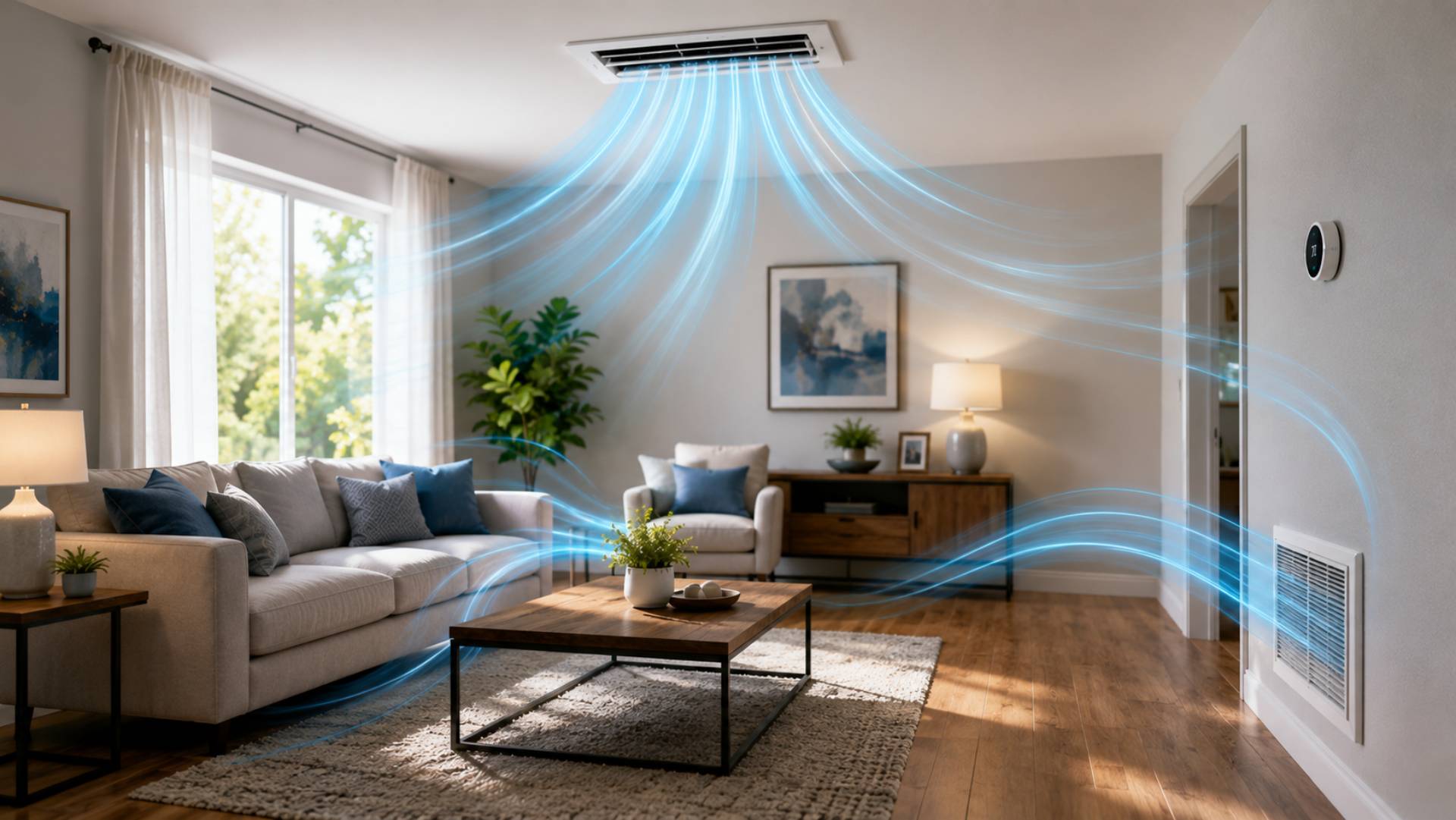
Airflow refers to how conditioned air travels from your HVAC system through the ductwork and into each room before returning to be heated or cooled again. This continuous movement keeps indoor temperatures balanced and helps maintain healthy indoor air quality.
When airflow is restricted, your HVAC system has to work harder to reach the desired temperature. This extra effort can increase energy use, shorten equipment lifespan, and create noticeable comfort issues throughout the home.
Good airflow ensures that every room receives the right amount of conditioned air, allowing your heating and cooling system to perform as efficiently as possible.
Signs Your Home Has Poor Airflow
Many homeowners experience airflow problems without realizing the cause. Some of the most common warning signs include:
- Certain rooms are consistently hotter or colder than others.
- Weak airflow coming from supply vents.
- Stuffy or stale indoor air.
- Excessive dust accumulation.
- High energy bills despite regular HVAC maintenance.
- HVAC systems that seem to run continuously.
If you notice one or more of these issues, airflow may be limiting your home’s overall comfort.
Common Causes of Airflow Problems
Several factors can reduce the efficiency of your home’s airflow. Identifying the underlying cause is the first step toward improving indoor comfort.
Dirty Air Filters
One of the simplest yet most common problems is a clogged air filter. As filters collect dust, pet hair, and other particles, they restrict airflow through the system.
Replacing filters regularly allows air to move freely while also improving indoor air quality.
Blocked or Closed Vents
Furniture, curtains, rugs, or even decorative items can block supply or return vents. Closing vents in unused rooms may seem like a way to save energy, but it can actually disrupt the balance of your HVAC system and reduce efficiency.
Keeping vents open and unobstructed allows air to circulate properly throughout the home.
Leaky Ductwork
Conditioned air can escape through leaks or poorly sealed duct connections before it reaches living spaces. This not only wastes energy but also creates uneven temperatures between rooms.
Professional duct inspections can identify hidden leaks that reduce system performance.
Improper HVAC Sizing
An HVAC system that is too large or too small may struggle to maintain proper airflow.
Oversized systems often cycle on and off too quickly, while undersized systems may run constantly without adequately circulating air.
Proper equipment sizing is essential for consistent comfort and efficiency.
How Good Airflow Improves Everyday Comfort
Balanced airflow provides benefits that extend far beyond maintaining comfortable temperatures.
More Consistent Room Temperatures
One of the biggest advantages of proper airflow is even heating and cooling throughout the home. Instead of dealing with hot upstairs bedrooms or chilly basements, balanced air distribution creates a more consistent indoor environment.
Every room feels more comfortable, regardless of the season.
Better Indoor Air Quality
As air circulates through your HVAC system, filters capture dust, pollen, pet dander, and other airborne particles.
Healthy airflow helps reduce the buildup of indoor pollutants while keeping fresh, filtered air moving throughout the house.
This is especially beneficial for households with allergy sufferers or pets.
Improved Humidity Control
Airflow also affects indoor humidity. Poor circulation can allow moisture to accumulate in certain areas, increasing the risk of mold growth and creating uncomfortable conditions.
Proper airflow helps maintain balanced humidity levels, making the home feel cooler during summer and warmer during winter.
Lower Energy Costs
When air moves efficiently through the HVAC system, less energy is required to maintain comfortable temperatures.
Improved airflow reduces strain on heating and cooling equipment, helping lower monthly utility bills while extending the life of the system.
Simple Ways to Improve Airflow
Fortunately, many airflow improvements are straightforward and can make a noticeable difference.
Replace Air Filters Regularly
Changing HVAC filters according to manufacturer recommendations is one of the easiest ways to improve airflow.
Homes with pets or higher dust levels may require more frequent filter replacements.
Keep Vents Clear
Walk through your home and check that furniture, curtains, and other objects are not blocking vents.
Even partially blocked vents can reduce airflow into a room.
Use Ceiling Fans Effectively
Ceiling fans help distribute conditioned air more evenly throughout living spaces.
During summer, fans should rotate counterclockwise to create a cooling breeze. In winter, reversing the direction helps push warm air back down into occupied areas.
Schedule HVAC Maintenance
Routine professional maintenance ensures your HVAC system operates efficiently.
Technicians inspect blower motors, ductwork, filters, coils, and other components that directly affect airflow.
Preventive maintenance often catches small issues before they become larger, more expensive problems.
Consider Duct Improvements
Older homes may benefit from duct sealing, cleaning, or redesigning sections of the duct system to improve air distribution.
Well-designed ductwork allows conditioned air to reach every room more effectively.
Smart Home Technology Can Help
Modern smart thermostats and zoning systems make airflow management even more effective.
Smart thermostats learn household routines and adjust heating and cooling automatically, while zoning systems allow different areas of the home to receive customized temperature control.
These technologies can improve comfort while reducing unnecessary energy use.
When Professional Help Is Needed
Some airflow issues require more than simple maintenance. Persistent hot and cold spots, weak airflow, noisy ducts, or unusually high utility bills often indicate deeper HVAC problems.
A qualified HVAC technician can evaluate the entire system, measure airflow, inspect ductwork, and recommend targeted improvements that restore comfort without unnecessary equipment replacement.
Addressing airflow problems early can prevent larger repairs while improving both efficiency and indoor comfort.
Final Thoughts
Proper airflow is the foundation of a comfortable, healthy, and energy-efficient home. When air moves freely through your HVAC system and ductwork, every room benefits from balanced temperatures, improved indoor air quality, and better humidity control. Addressing airflow issues such as clogged filters, blocked vents, or leaking ducts not only enhances daily comfort but also helps reduce energy consumption and extends the lifespan of your heating and cooling equipment.
Regular HVAC maintenance and timely professional inspections ensure your system continues to perform at its best throughout the year. By making airflow a priority, homeowners can enjoy a more consistent indoor climate, lower utility costs, and long-term peace of mind. A well-maintained airflow system ultimately creates a living space that feels fresher, healthier, and more comfortable in every season.