A well-cared-for home does more than create a good first impression. Regular maintenance protects your property, keeps everyday problems under control, and can save you from expensive repairs later. The key is to deal with small tasks consistently rather than waiting until several problems appear at once.
From keeping exterior surfaces clean to checking plumbing and maintaining outdoor areas, a practical home care routine can help your property stay comfortable, attractive, and functional throughout the year.
Keep the Exterior Clean and Well Maintained
The outside of your home is constantly exposed to dirt, moisture, sunlight, pollution, and changing temperatures. Over time, these conditions can leave walls, paths, windows, and other surfaces looking tired.
Clean exterior surfaces when dirt, moss, or stains begin to build up. Check painted areas for peeling, cracking, or fading, as damaged paint can allow moisture to reach the surface underneath.
Pay attention to exterior woodwork as well. Doors, window frames, fencing, and decking may need cleaning, sealing, staining, or painting depending on their condition and material.
Inspect Your Roof and Gutters Regularly
Your roof plays an important role in protecting your home from water damage. You do not need to climb onto it yourself to spot potential problems.
Look from ground level for visible signs such as slipped or damaged tiles, unusual gaps, sagging sections, or excessive moss growth. If something looks wrong, arrange a professional inspection rather than attempting risky roof repairs yourself.
Gutters also require regular attention. Leaves and debris can block water flow, causing rainwater to overflow onto walls or collect around the property.
Useful gutter maintenance includes:
- Removing leaves and visible debris
- Checking downpipes for blockages
- Looking for leaking joints
- Making sure water drains away from foundations
- Repairing loose or damaged guttering
Give Windows and Doors Regular Attention
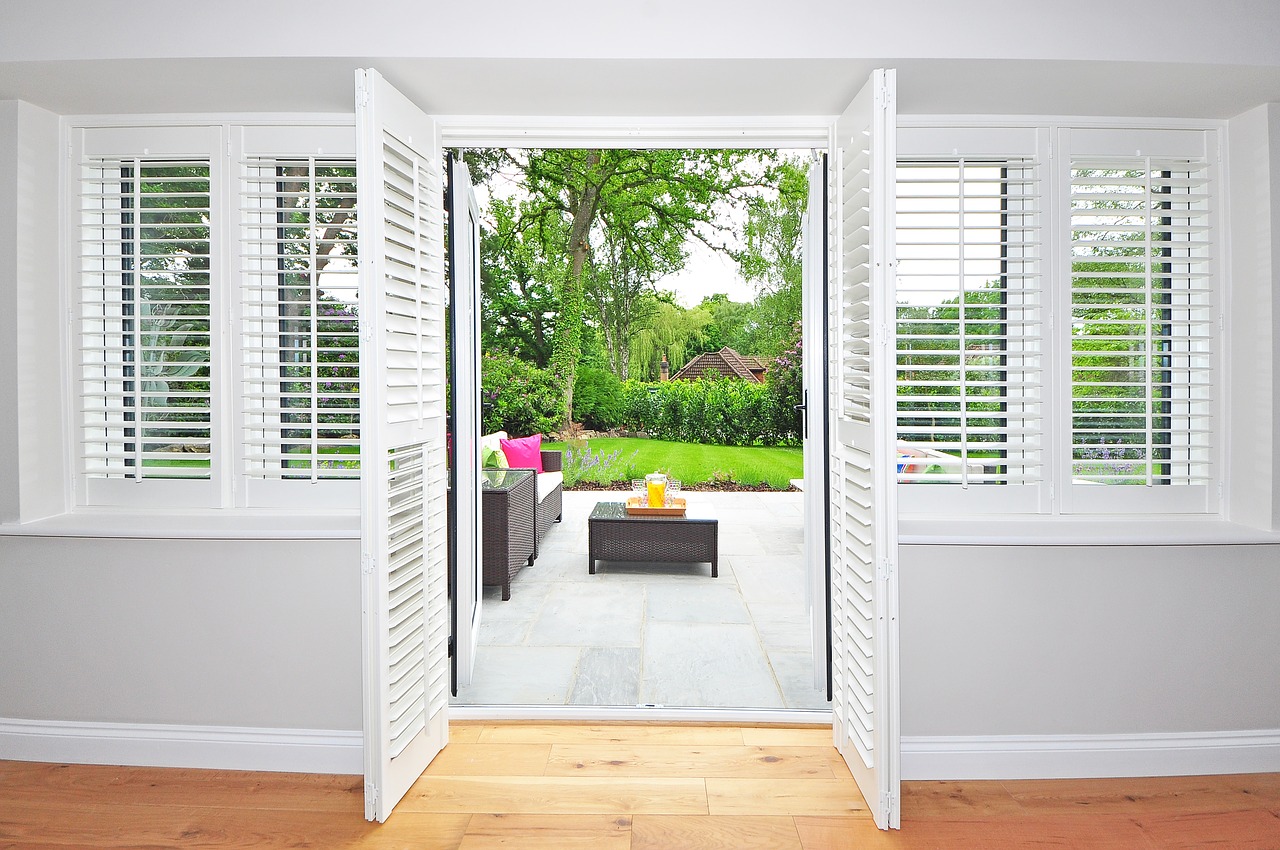
Clean windows immediately improve the appearance of a property while allowing more natural light indoors. Wash both the glass and surrounding frames when possible.
While cleaning, inspect frames, seals, hinges, and locks. Small gaps around windows or doors can allow draughts and moisture inside.
Doors also benefit from routine care. Check whether they open smoothly, lock securely, and show any signs of cracking, swelling, or peeling paint. Lubricating moving hardware can help hinges and locks continue working properly.
Stay on Top of Interior Cleaning
Regular cleaning is one of the simplest ways to maintain a home’s appearance. Instead of relying only on occasional deep cleaning, create a manageable routine covering high-use areas.
Vacuum carpets and rugs regularly to reduce embedded dirt. Clean hard floors according to the manufacturer’s recommendations, especially natural wood or stone surfaces that may require specialist products.
Remember areas that are easily overlooked, including skirting boards, door frames, light fittings, extractor fans, and the tops of cupboards.
A clean interior also makes it easier to notice maintenance problems such as damp patches, cracks, leaks, or pest activity before they become more serious.
Check Plumbing for Small Leaks
A dripping tap or slightly leaking pipe might appear minor, but even small plumbing problems can waste water and damage cabinets, flooring, walls, and ceilings.
Check underneath sinks and around toilets, showers, baths, appliances, and visible pipework for signs of moisture.
Warning signs can include:
- Damp patches
- Musty smells
- Water stains
- Mould growth
- Unexplained increases in water use
- Reduced water pressure
Early attention usually makes plumbing problems easier to manage.
Protect Walls and Paintwork
Fresh, clean walls can significantly improve how a room feels. Marks and scuffs often appear gradually, especially in busy spaces such as hallways, kitchens, and children’s rooms.
Wipe away suitable marks using cleaning methods that will not damage the finish. Touch up small damaged areas where necessary.
Before repainting over cracks or damp patches, identify what caused the problem. Covering an underlying maintenance issue with paint may only hide it temporarily.
Maintain Your Garden and Outdoor Areas
Outdoor maintenance contributes greatly to kerb appeal. You do not need an elaborate garden to create a tidy and welcoming exterior.
Regularly cut grass, remove weeds, trim overgrown plants, sweep paths, and clear fallen leaves. Pruning vegetation near walls and roofs can also reduce moisture problems and prevent branches from causing damage.
Inspect patios, driveways, fences, gates, and garden structures periodically. Repairing loose paving, broken fencing, or unstable gates early can prevent further deterioration.
Improve Ventilation and Control Moisture
Excess moisture can encourage condensation, mould, and damage to interior finishes. Kitchens, bathrooms, and laundry areas are particularly vulnerable.
Use extractor fans while cooking or bathing and allow fresh air to circulate whenever practical. Keep ventilation openings clear and address persistent condensation rather than repeatedly wiping it away.
If damp continues despite good ventilation, professional investigation may be needed to identify the source.
Create a Seasonal Home Maintenance Routine
Breaking property maintenance into seasonal tasks makes home care easier to manage.
In spring, focus on cleaning, garden maintenance, exterior inspections, and repairs after winter. During summer, check paintwork, windows, outdoor surfaces, and roofing.
Autumn is a good time to clear gutters, manage fallen leaves, and prepare the property for colder conditions. During winter, watch for leaks, condensation, draughts, and damage caused by severe conditions.
Keeping a simple home maintenance checklist can help ensure important tasks are not forgotten.
Frequently Asked Questions
How often should I inspect my home for maintenance problems?
A general inspection every few months is useful. Roofs, gutters, plumbing, exterior surfaces, windows, and areas exposed to moisture deserve particular attention.
What home maintenance tasks should be prioritised?
Deal first with problems involving water, structural damage, electricity, roofing, plumbing, heating, or security. Cosmetic improvements can usually wait until essential repairs are completed.
How can I keep my home looking good without spending too much?
Regular cleaning, small paint touch-ups, garden maintenance, decluttering, and dealing with minor repairs early can make a noticeable difference without requiring major renovations.
Why is preventative home maintenance important?
Preventative maintenance helps identify developing problems before they cause more extensive damage. It can also help maintain comfort, safety, appearance, and property condition.
How can I prevent small home maintenance problems from getting worse?
Inspect your property regularly and deal with minor issues as soon as you notice them. Fixing small leaks, cracks, loose fittings, or damaged surfaces early can help prevent more extensive and costly repairs later.
Conclusion
Keeping your property looking its best does not require constant renovation or expensive upgrades. Consistent care is far more important.
Regular cleaning, roof and gutter checks, plumbing inspections, garden maintenance, ventilation, and timely repairs all contribute to a home that feels well maintained. Paying attention to small changes also makes it easier to identify problems before they become difficult or costly to fix.
Create a simple routine, focus on the areas most exposed to wear and moisture, and deal with maintenance issues as they appear. These practical habits can help protect your property while keeping it clean, welcoming, and attractive throughout the year.