A tired home does not always need new walls, floors, or a full gut job. Often the biggest improvements come from strategic, reversible changes that cost far less and take days instead of months. Rearranging furniture, updating lighting, swapping hardware, refreshing textiles, and editing what you already own can shift the entire feel of a space.
The key is knowing where to focus. Start with free or low-cost moves that improve function and flow. Then layer in targeted upgrades that deliver the highest visual return. This approach works for homeowners and renters alike, and it lets you spread costs over time instead of facing one large renovation bill.
Begin with Layout and Editing
Before buying anything, look at what is already there. Many rooms feel dated simply because furniture has stayed in the same position for years or because surfaces have become cluttered.
Pull pieces away from the walls. Float a sofa if the room allows it. Angle a chair toward the conversation area instead of lining everything up. Clear surfaces of items that no longer serve a purpose. Empty shelves, then put back only what you use or truly enjoy.
This step costs nothing and often reveals that the room needed less “new” and more clarity. Once the layout works and the visual noise drops, every later change has more impact.
Paint and Color for Instant Transformation
Fresh paint remains one of the highest-return updates. A new wall color, a painted ceiling, or even a single accent wall can make a space feel current without touching the structure.
Choose finishes that suit the room’s use. Matte or eggshell hides imperfections on walls. Semi-gloss works well on trim and doors for durability and light reflection. If full painting feels overwhelming, start with the ceiling or the insides of built-in shelves. Even painting outdated furniture or cabinetry can shift the mood dramatically.
Renters can often negotiate permission for neutral paint colors and restore the original shade when moving out. Peel-and-stick options for small areas offer another low-commitment route.
Upgrade Lighting Layers
Lighting changes the atmosphere more than almost any other single element. Replace harsh overhead fixtures with warmer, dimmable options. Add floor lamps, table lamps, and plug-in sconces to create pools of light at different heights.
Swap outdated shades or bulbs for warmer tones (2700–3000K). Install dimmers where possible. In kitchens and bathrooms, under-cabinet or vanity lighting improves both function and appearance. These updates require no structural work yet make rooms feel more polished and usable at different times of day.
Refresh Hardware, Fixtures, and Small Details
Cabinet knobs, drawer pulls, door handles, and light-switch plates are easy to change and surprisingly influential. Updating them to a consistent finish—matte black, brushed brass, or soft chrome—gives cabinetry and doors a cleaner, more intentional look.
In bathrooms, new showerheads, faucet handles, or towel bars deliver noticeable improvement. In kitchens, consider new sink hardware or a simple faucet upgrade if the existing one is worn. These are small investments that signal care.
Textiles, Rugs, and Window Treatments
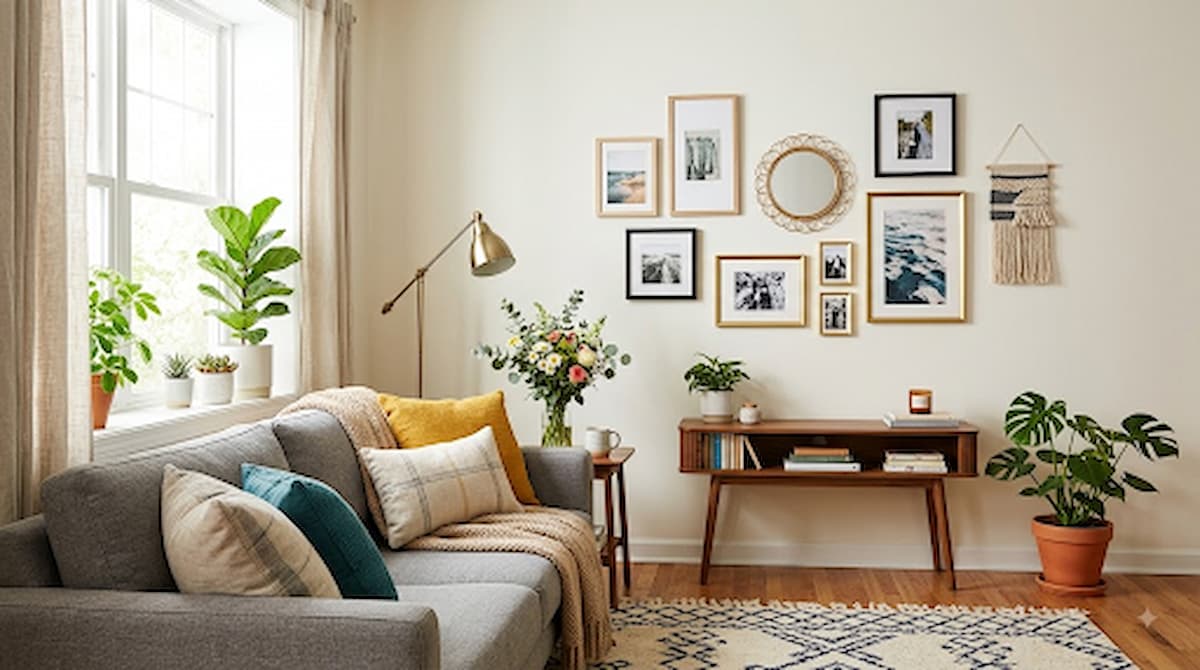
Soft furnishings transform how a room feels underfoot and to the eye. A new area rug anchors furniture and adds color or texture. Fresh curtains or simpler, better-fitting window treatments control light and soften hard edges. Swapping pillow covers, throws, and bedding updates bedrooms and living rooms in an afternoon.
Choose fabrics that suit your lifestyle—performance textiles for high-use areas, natural fibers for breathability. Layering different textures keeps neutral spaces from feeling flat.
Storage, Organization, and Surface Styling
Clutter makes even well-designed rooms feel unfinished. Improve storage with baskets, tray systems, drawer organizers, or simple open shelving that keeps daily items accessible but contained. Restyle existing shelves by grouping objects in odd numbers, mixing heights, and leaving negative space.
Artwork and mirrors deserve attention too. Rehang pieces at proper height (eye level for most people), group smaller frames, or replace tired prints with something more current. A well-placed mirror can bounce light and make a narrow space feel larger.
Room-by-Room Priorities
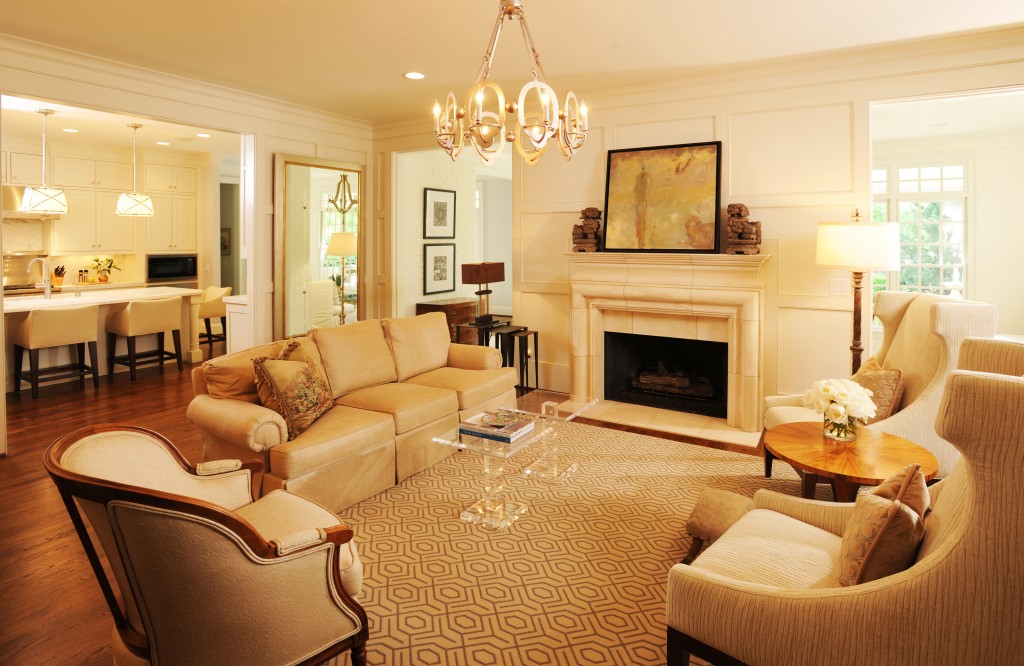
Living rooms respond well to better furniture arrangement, a properly sized rug, layered lighting, and edited surfaces.
Bedrooms benefit from improved bedding, blackout or soft curtains, bedside lamps, and cleared nightstands.
Kitchens gain from hardware updates, better task lighting, cleared counters, and simple organization systems.
Bathrooms improve with new hardware, fresh towels, better lighting, and cleared vanities.
Entryways need a defined landing spot—hooks, a small bench or console, and a tray for keys—to reduce daily chaos.
Home offices work better with good task lighting, cable management, and surfaces that stay mostly clear.
Renter-Friendly vs. Permanent Changes
Renters should lean on freestanding furniture, plug-in lighting, rugs, curtains hung with tension rods or removable hardware, peel-and-stick backsplashes or tiles in limited areas, and temporary wallpaper. Avoid permanent alterations unless the landlord approves them in writing.
Homeowners can add more lasting updates—paint, permanent light fixtures, new hardware, and improved storage built-ins—while still avoiding structural work.
A Phased Approach That Controls Spending
Phase 1: Layout, editing, and deep cleaning.
Phase 2: Paint, lighting, and hardware.
Phase 3: Textiles, rugs, and window treatments.
Phase 4: Artwork, plants, and final styling.
This order lets you live with each improvement and decide where the next dollar has the most effect. Many people find that after the first two phases the home already feels significantly refreshed, so later spending can be more selective.
Frequently Asked Questions
What is the single highest-impact change I can make first?
Improving the furniture layout and clearing clutter usually delivers the biggest immediate difference for zero cost. Once the room flows better and surfaces are calmer, every other update looks stronger.
How much should I budget for a noticeable refresh?
A meaningful update is possible for a few hundred dollars if you focus on paint, lighting, hardware, and textiles. Spreading the work across phases lets you match spending to what you can comfortably afford each month.
Can I refresh a rental without risking my deposit?
Yes. Stick to freestanding pieces, plug-in lamps, rugs, tension-rod curtains, removable hooks, and temporary wallpaper or peel-and-stick products. Always document the original condition and get written approval for any paint changes.
Is painting worth it if I might move in a couple of years?
Often yes. A fresh, well-chosen neutral or soft color makes the home more pleasant to live in now and can help with future showings. Choose colors that appeal broadly and keep samples of the original paint for easy restoration if needed.
How do I choose new lighting without rewiring?
Use floor lamps, table lamps, and plug-in wall sconces. Add smart bulbs or plug-in dimmers for control. These layers create atmosphere and task light without touching the electrical system.
What should I do with furniture that feels outdated but still solid?
Try new placement first. If the shape is good, update it with slipcovers, new cushions, or a coat of paint. Sometimes simply removing competing pieces around it makes the existing
Conclusion
Refreshing a home without major renovation is less about buying everything new and more about seeing clearly what already exists and making deliberate, high-impact changes. Better layout, thoughtful lighting, updated hardware, improved textiles, and edited surfaces can shift the atmosphere of every room. Work in phases, respect your budget and living situation, and focus on the changes that improve both daily function and visual calm. The result is a home that feels current, comfortable, and cared for—without the cost, dust, or disruption of a full renovation.