Outdoor living spaces have become an important extension of the modern home. Whether it is a patio, terrace, or garden seating area, homeowners increasingly want comfortable outdoor environments that can be enjoyed throughout the year. Retractable awnings are a popular solution, offering shade on sunny days and protection from light weather conditions. However, one question often arises before making a purchase: are retractable awnings actually waterproof?
The answer depends on the type of awning, the fabric used, and how it is designed. A high-quality waterproof retractable awning can provide excellent protection from rain, but not all retractable awnings are manufactured to the same standard. Understanding the differences can help you make an informed decision and avoid disappointment when the weather changes.
Understanding the Difference Between Water-Resistant and Waterproof
One of the most common misconceptions is that all outdoor awnings are waterproof. In reality, many standard retractable awnings are only water-resistant.
Water-resistant fabrics can repel light rain and occasional moisture, but they are not designed to withstand prolonged exposure to heavy rainfall. Water may eventually seep through the material or collect on the surface, reducing performance and potentially damaging the awning over time.
Waterproof awnings, on the other hand, are specifically engineered to prevent water penetration. They are made from materials that create a barrier against moisture, allowing users to remain dry underneath even during heavier rain showers.
Understanding this distinction is essential when comparing products and deciding which option best suits your outdoor space.
What Makes an Awning Waterproof?
Several factors determine whether a retractable awning can genuinely be considered waterproof.
Specialised Fabric Materials
The fabric is the most important component. Waterproof awnings are typically manufactured using coated polyester, PVC-coated fabrics, or other advanced materials designed to block water completely.
These fabrics are treated to prevent absorption, ensuring rainwater runs off the surface rather than soaking through.
Proper Fabric Tension
A waterproof fabric alone is not enough. The awning must also maintain adequate tension when extended. Tight fabric helps water flow away efficiently and prevents sagging.
Loose fabric can create pockets where water collects. This pooling increases pressure on the material and frame, potentially causing damage if left unaddressed.
Suitable Installation Angle
The pitch or angle of installation plays a critical role in waterproof performance. Most manufacturers recommend a minimum slope that allows rainwater to drain naturally.
Without sufficient incline, water may accumulate on the awning surface instead of running off. Even the best waterproof materials can struggle if installation guidelines are ignored.
Can Retractable Awnings Be Left Out in Heavy Rain?
While waterproof retractable awnings offer protection during rainfall, they are not necessarily designed to withstand extreme weather conditions.
Heavy storms, strong winds, and prolonged periods of intense rainfall can place significant stress on the framework and fabric. Retractable awnings are engineered to be extended when conditions are suitable and retracted when severe weather is expected.
Many modern systems include wind sensors that automatically retract the awning if wind speeds become excessive. This feature helps protect the investment and extend the lifespan of the structure.
For homeowners living in areas prone to unpredictable weather, automated controls can provide valuable peace of mind.
Benefits of Waterproof Retractable Awnings
Choosing a waterproof model offers several advantages beyond simple rain protection.
Extended Outdoor Use
A waterproof awning allows homeowners to enjoy their outdoor spaces more often throughout the year. Garden furniture, dining areas, and entertainment spaces remain usable even when the weather is less than ideal.
Protection for Outdoor Furniture
Rain exposure can damage outdoor furniture, cushions, and decorative items. Waterproof coverage helps reduce moisture-related wear and prolongs the life of outdoor furnishings.
Increased Comfort
Sudden showers no longer mean rushing indoors. Waterproof awnings create a sheltered environment that allows outdoor gatherings to continue comfortably.
Enhanced Property Appeal
Well-designed outdoor living spaces often contribute to a property’s overall attractiveness. A quality retractable awning can improve both functionality and visual appeal.
Common Misunderstandings About Waterproof Awnings
Several myths often lead to confusion when homeowners research retractable awnings.
Myth 1: All Retractable Awnings Are Waterproof
As mentioned earlier, many standard awnings are only water-resistant. Always verify product specifications rather than assuming all fabrics offer complete protection.
Myth 2: Waterproof Means Maintenance-Free
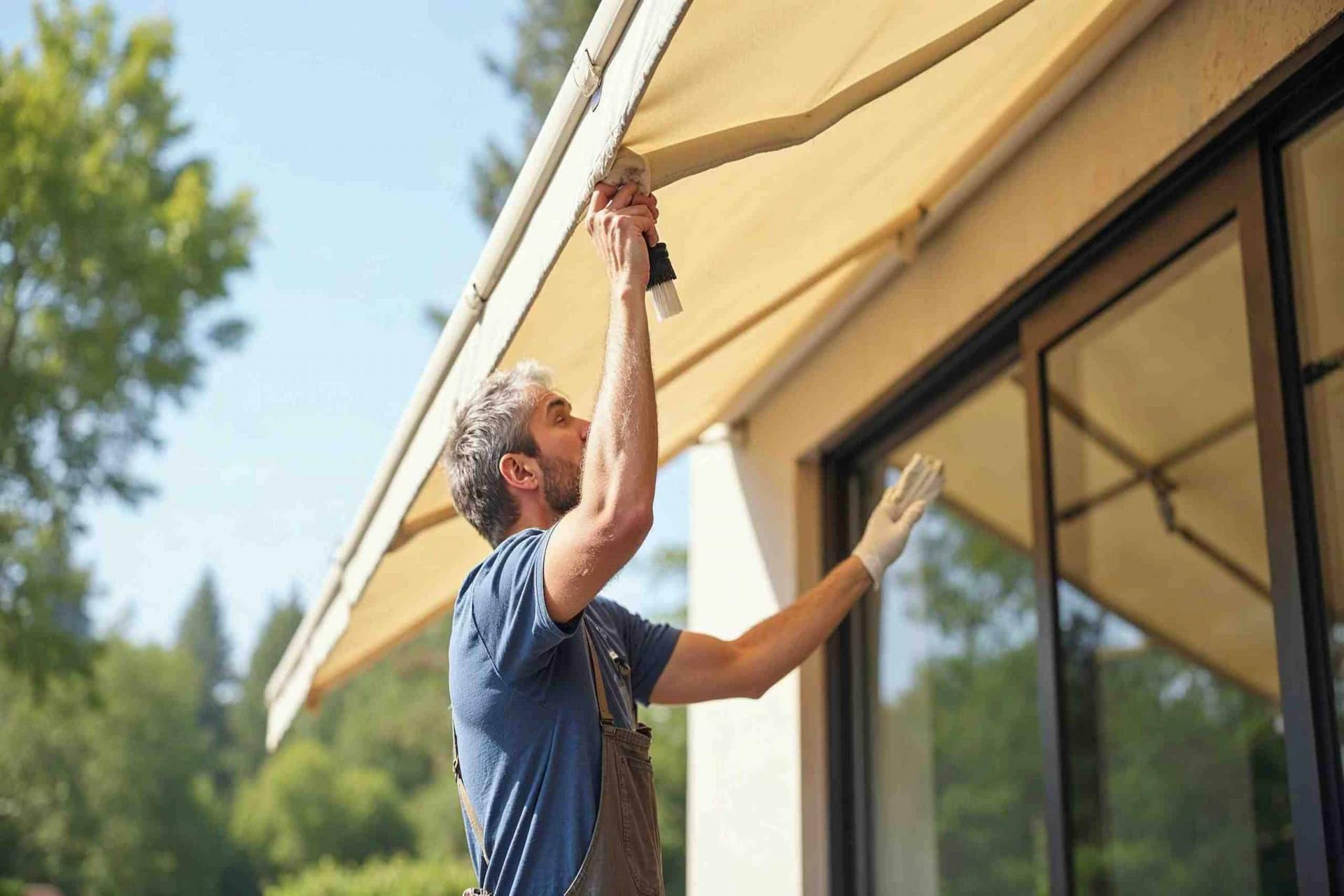
Even waterproof awnings require regular maintenance. Dirt, leaves, and debris should be removed to prevent staining and ensure proper drainage.
Routine cleaning also helps maintain the fabric’s appearance and performance.
Myth 3: Waterproof Awnings Can Handle Any Weather
Waterproof does not mean indestructible. Strong winds remain one of the biggest threats to retractable awnings, regardless of fabric quality.
Following manufacturer recommendations for use during adverse weather is essential.
How to Maintain a Waterproof Retractable Awning
Proper care can significantly extend the lifespan of your awning.
A few simple maintenance practices include:
- Cleaning the fabric periodically with mild soap and water
- Removing leaves and debris from the surface
- Allowing the awning to dry before retracting whenever possible
- Inspecting the frame and moving parts regularly
- Checking for signs of wear or damage after severe weather
Consistent maintenance helps preserve waterproof performance and keeps the awning looking its best.
Choosing the Right Waterproof Awning
When shopping for a retractable awning, focus on more than appearance alone.
Consider factors such as:
- Fabric waterproof rating
- Frame strength and durability
- Manufacturer warranty
- Wind resistance capabilities
- Installation requirements
- Automated sensor options
Investing in a high-quality system from a reputable supplier often delivers better long-term value than choosing the cheapest available option.
Final Thoughts
Retractable awnings can absolutely be waterproof, but only when they are specifically designed and installed for that purpose. Not all awnings offer the same level of protection, making it important to understand the difference between water-resistant and fully waterproof materials.
A properly installed waterproof retractable awning can provide reliable shelter from rain, enhance outdoor comfort, and help homeowners make greater use of their outdoor living areas. By selecting quality materials, ensuring correct installation, and following basic maintenance practices, you can enjoy dependable weather protection and extend the life of your investment for years to come.