Your home should do more than look good. It should feel right the moment you walk in. Yet many people struggle with spaces that feel cluttered, outdated, or simply uninspiring. The truth is, home design is not about copying trends. It is about creating a space that works for your lifestyle while reflecting your personality.
In recent years, home design has shifted towards comfort, functionality, and emotional connection. People want spaces that support how they live, work, and relax. If your home feels off, even small design changes can make a big difference.
Why Thoughtful Home Design Matters
A well-designed home improves more than just appearance. It affects how you feel and function every day.
A bright, organized space can boost productivity and reduce stress. On the other hand, a poorly planned layout can feel overwhelming. Research consistently shows that environment plays a key role in mood and behaviour.
Good design also makes daily routines easier. From storage solutions to lighting choices, every detail contributes to how smoothly your home works.
Start with Function Before Style
Many people begin with colours or décor, but the real foundation of home design is function.
Think about how you use each room. A living room may need to balance relaxation and socialising. A kitchen should prioritise movement and accessibility. When function is clear, style becomes easier to build around it.
For example, if you work from home, creating a dedicated workspace—even in a small corner—can improve focus. Similarly, arranging furniture to allow easy movement can instantly make a room feel more comfortable.
The Power of Natural Light
Lighting is often overlooked, yet it has one of the biggest impacts on a space.
Natural light makes rooms feel larger, cleaner, and more inviting. It also reduces the need for artificial lighting during the day, which can help save energy.
Simple changes can maximise light. Use lighter curtains, position mirrors to reflect sunlight, and avoid blocking windows with bulky furniture. Even small adjustments can transform how a room feels.
Choosing Colours That Work for You
Colour sets the mood of a room. Soft, neutral tones create a calm atmosphere, while bold colours add energy and personality.
The key is balance. Too many colours can feel chaotic, while too little can feel dull. A common approach is to use a neutral base and add colour through accessories like cushions, artwork, or rugs.
Consider how colours affect your mood. For example, blues and greens often feel calming, while warm tones like terracotta or mustard can make a space feel cosy.
Smart Storage Makes a Big Difference
Clutter is one of the biggest challenges in home design. Even a beautifully decorated space can feel messy if there is no proper storage.
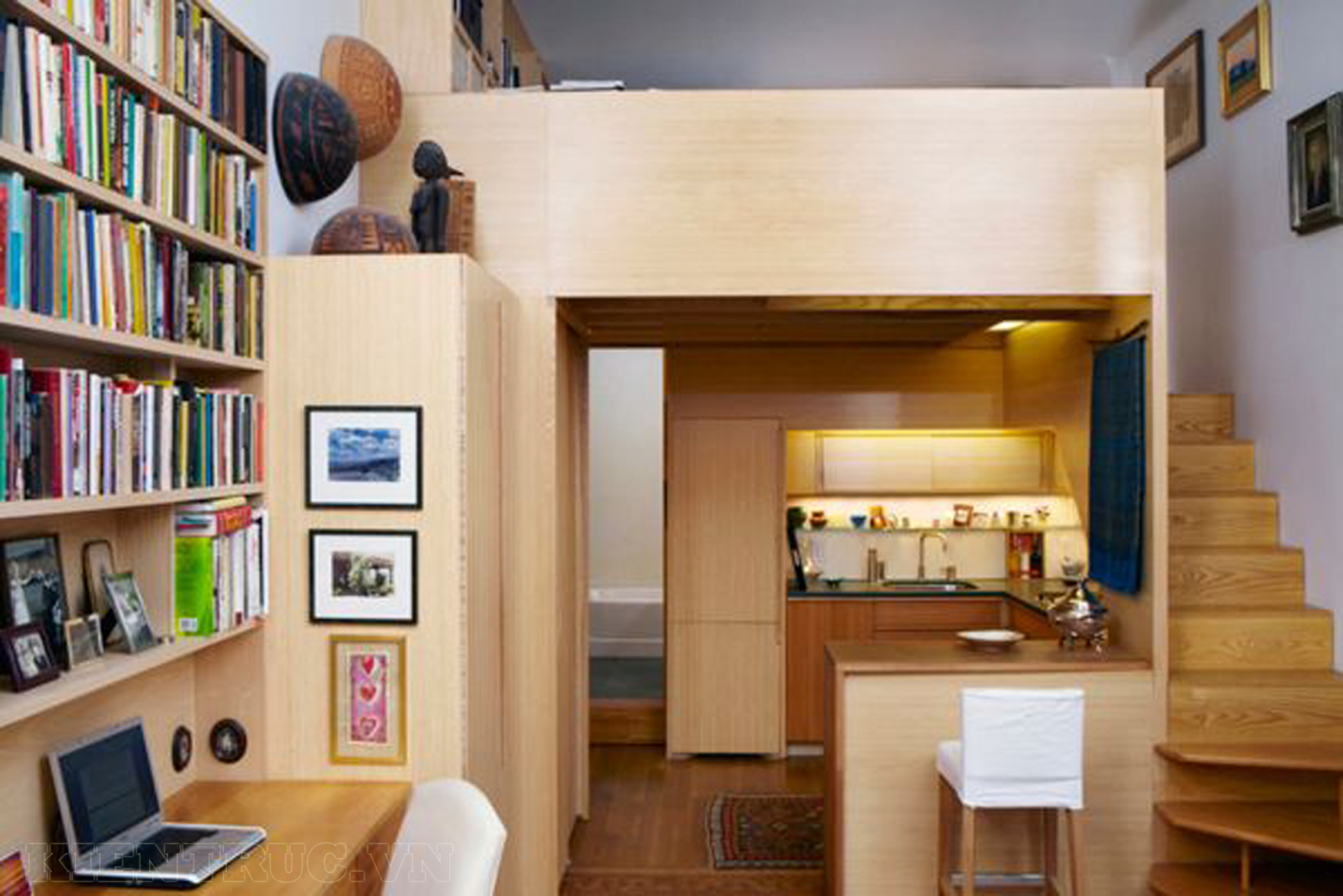
Smart storage solutions help maintain order without sacrificing style. Built-in shelves, under-bed storage, and multi-functional furniture are all practical options.
For instance, a storage ottoman can serve as both seating and a place to keep items out of sight. These small choices make everyday living more organised and less stressful.
Mixing Comfort with Style
A stylish home should still feel comfortable. There is no point in having a perfectly designed space if it does not feel inviting.
Choose furniture that supports both form and function. Sofas should be comfortable, not just visually appealing. Materials should feel good to touch and suit your lifestyle.
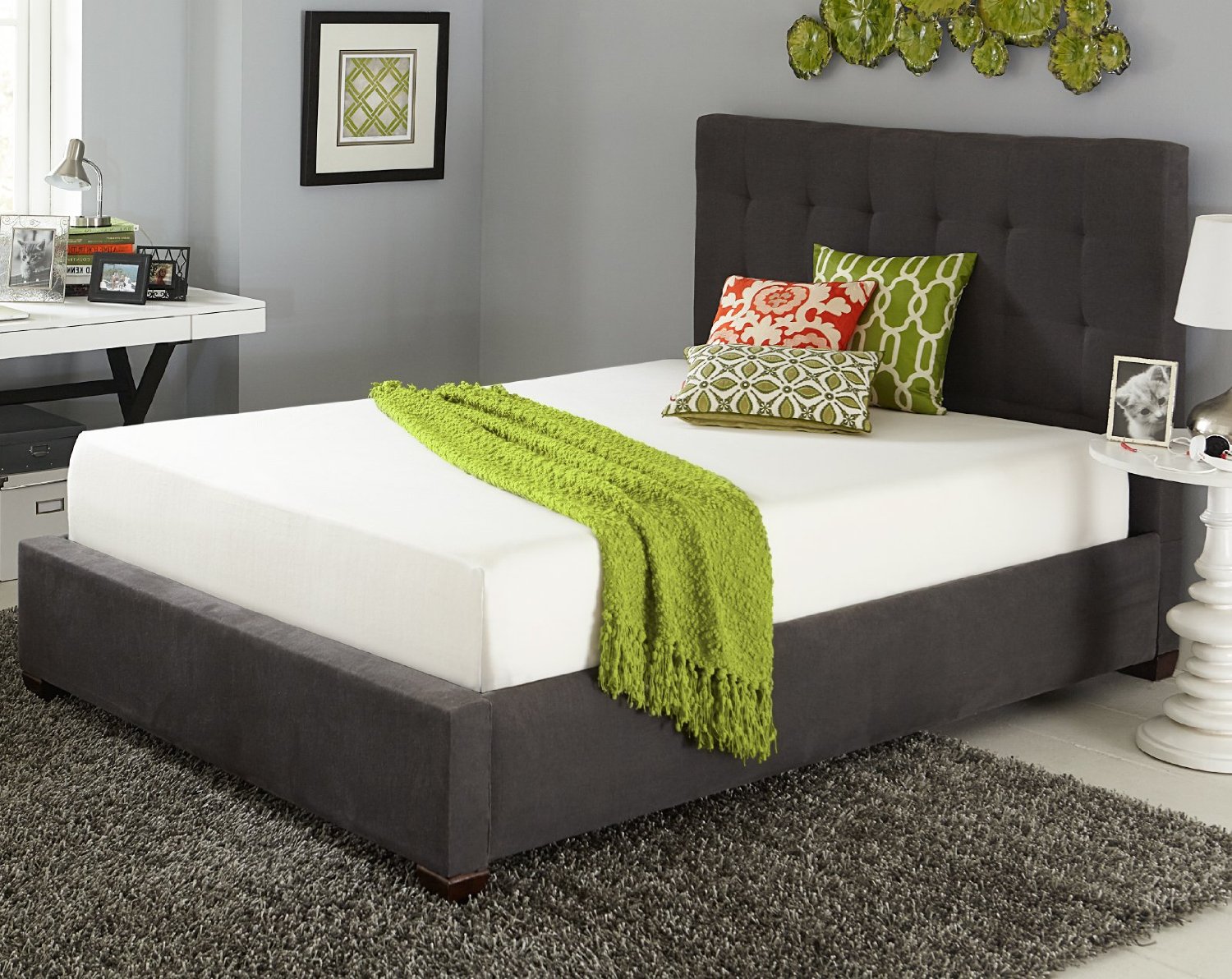
Layering textures—such as soft throws, cushions, and rugs—can add warmth and depth. This creates a space that feels lived-in rather than staged.
Bringing Nature Indoors
Adding natural elements is one of the simplest ways to improve home design.
Plants, wooden finishes, and natural fabrics can make a space feel fresh and grounded. Indoor plants, in particular, can improve air quality and add a sense of calm.
Even if you do not have a green thumb, low-maintenance plants like snake plants or succulents are easy to manage and still provide visual impact.
Personal Touches Make It Yours
A home should reflect who you are. Generic spaces may look good in photos, but they often lack character.
Personal items such as photographs, books, or travel souvenirs can make a space feel meaningful. These elements tell your story and create a stronger emotional connection to your home.
The key is to display them thoughtfully. Too many items can create clutter, so choose a few that truly matter.
Keeping Up with Trends—Without Overdoing It
Trends can be inspiring, but they should not define your entire space.
Design trends change quickly. What feels modern today may feel outdated in a few years. Instead of following trends fully, use them as accents.
For example, you can introduce trendy colours or patterns through cushions or décor pieces. This allows you to refresh your space without a complete redesign.
Final Thoughts
Home design is not about perfection. It is about creating a space that supports your daily life and makes you feel comfortable. By focusing on function, light, colour, and personal touches, you can transform any space into something that truly works for you.
Start small. Even a few thoughtful changes can shift how your home feels. Over time, these improvements build a space that is not only beautiful but also practical and deeply personal.