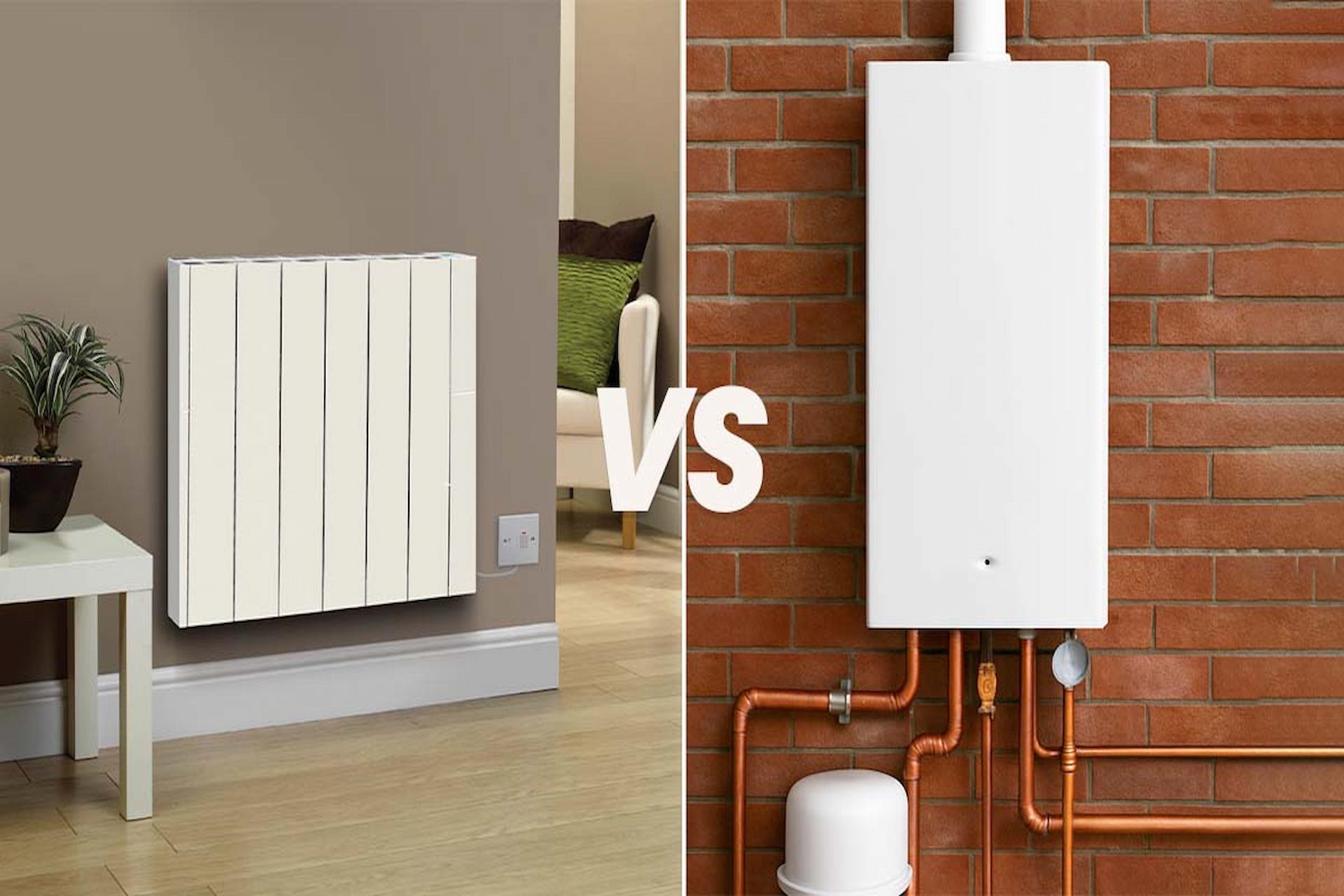
Choosing how to heat your home has never been more important. With energy prices fluctuating and sustainability high on the agenda, homeowners in 2025 are weighing up cost, efficiency, and long-term value more carefully than ever. Two of the most common options—electric radiators and gas central heating—offer very different benefits, but the real question remains: which is cheaper to run?
Understanding the financial and practical implications of each system is essential, especially for those planning upgrades or moving into modern properties. For example, many buyers exploring electric radiators in new build houses are now prioritising energy efficiency and flexibility over traditional setups.
This guide breaks down the costs, performance, and long-term considerations to help you make an informed decision.
How Electric Radiators Work
Electric radiators convert electricity directly into heat. Unlike traditional systems, they do not rely on a central boiler or pipework. Each unit operates independently, allowing you to heat specific rooms as needed.
Modern electric radiators are far more advanced than older models. Many come with smart thermostats, programmable timers, and energy-efficient heating elements designed to retain warmth for longer periods.
Because they do not burn fuel, electric systems are often seen as cleaner and easier to maintain. There is no risk of gas leaks, and installation is typically straightforward.
How Gas Central Heating Works
Gas central heating systems rely on a boiler to heat water, which is then circulated through pipes to radiators across the home. This method has been the standard in UK households for decades.
The key advantage lies in its ability to heat large spaces efficiently. Once the system is running, multiple rooms can be warmed simultaneously, making it ideal for larger properties or households with consistent heating needs.
However, it also comes with more complex infrastructure. Boilers, pipework, and regular servicing all contribute to both initial and ongoing costs.
Comparing Running Costs in 2025
Electricity vs Gas Prices
One of the biggest factors influencing cost is the price of energy itself. In the UK, electricity has traditionally been more expensive per unit than gas. This means electric radiators can appear costlier to run at first glance.
However, this comparison is not always straightforward. Electric heating is nearly 100% efficient at the point of use—every unit of electricity is converted into heat. Gas systems, on the other hand, lose some energy during combustion and distribution.
Efficiency and Usage Patterns
The real cost difference often depends on how you use your heating.
- Electric radiators are highly efficient for targeted heating. If you only need to warm a few rooms, they can be more economical.
- Gas central heating is typically cheaper for whole-house heating over extended periods.
For smaller homes, flats, or well-insulated new builds, electric systems can be surprisingly cost-effective. For larger, older properties, gas may still hold an advantage.
Installation and Upfront Costs
Electric Radiators
Installation is usually quick and less disruptive. There is no need for pipework or a boiler, which significantly reduces labour costs.
- Lower upfront investment
- Minimal structural changes
- Easy to upgrade or expand
This makes electric radiators particularly appealing for new builds or renovations.
Gas Central Heating
Gas systems require a more complex setup, including:
- Boiler installation
- Pipework throughout the property
- Professional certification and safety checks
The initial cost is typically higher, especially if installing from scratch. However, for homes already connected to gas, upgrades may be more manageable.
Maintenance and Longevity
Electric radiators are known for their low maintenance requirements. With fewer moving parts and no combustion process, there is less that can go wrong.
Gas systems, by contrast, require regular servicing to ensure safety and efficiency. Boilers need annual checks, and repairs can be costly if issues arise.
Over time, these maintenance expenses can influence the overall cost of ownership.
Energy Efficiency and Environmental Impact
Sustainability is a growing concern for homeowners in 2025. Electric heating is often considered more environmentally friendly, especially when powered by renewable energy sources.
Gas heating, while efficient, relies on fossil fuels and contributes to carbon emissions. As the UK continues its transition towards greener energy, electric systems may become increasingly attractive.
Additionally, many new build homes are designed with electric heating in mind, aligning with modern energy standards and regulations.
Flexibility and Control
One of the standout advantages of electric radiators is control. Each unit can be adjusted individually, allowing for precise temperature management in different rooms.
This level of flexibility can lead to energy savings, as you only heat the spaces you use.
Gas central heating systems, while effective, typically operate on a central thermostat. Although zoning systems exist, they add complexity and cost.
Which Option Is Cheaper Overall?
The answer depends largely on your property type, lifestyle, and heating habits.
- Electric radiators may be cheaper if:
- You live in a smaller or well-insulated home
- You prefer heating individual rooms rather than the whole house
- You want lower installation and maintenance costs
- Gas central heating may be cheaper if:
- You need to heat a larger property consistently
- You already have an existing gas system
- You benefit from lower gas tariffs
In many cases, the gap between the two systems is narrowing. Advances in technology and changes in energy pricing are making electric heating more competitive than ever.
Future Trends in Home Heating
Looking ahead, the shift towards electrification is likely to continue. Government policies and environmental targets are encouraging the adoption of low-carbon heating solutions.
Innovations in smart technology, energy storage, and renewable integration are also enhancing the appeal of electric systems.
At the same time, gas heating is evolving, with newer, more efficient boilers and the potential introduction of hydrogen-based systems.
For homeowners, this means more choice—but also the need to think long-term when making decisions.
Final Thoughts
Choosing between electric radiators and gas central heating is not simply about comparing energy prices. It involves considering installation costs, maintenance, efficiency, and how you use your home.
Electric radiators offer flexibility, simplicity, and strong performance in modern, energy-efficient properties. Gas central heating remains a reliable and often cost-effective solution for larger homes with established systems.
Ultimately, the cheapest option is the one that aligns best with your living space and daily habits. By understanding how each system works and where it performs best, you can make a decision that delivers both comfort and value well into the future.